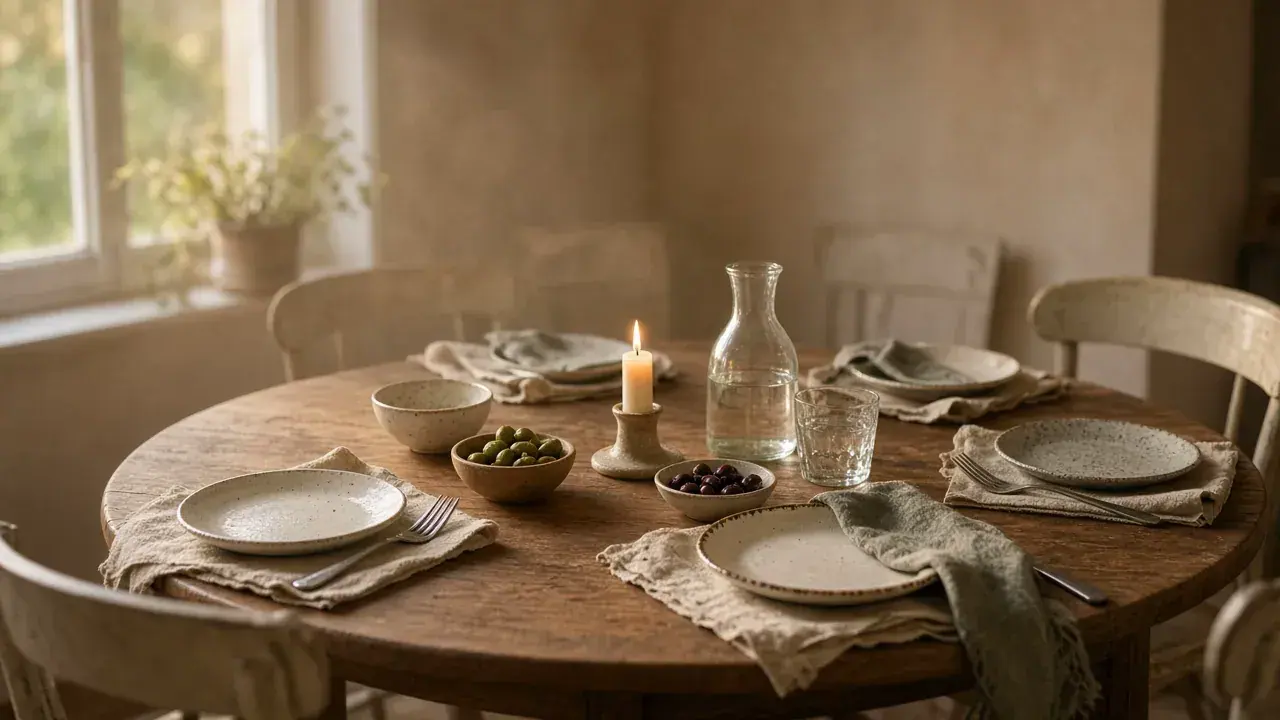
Shared Rituals for Belonging
Algorithms individualise attention. Each person is fed a private world. Belonging asks for the opposite: shared attention over time.
A ritual, in this sense, is not costume or ceremony for its own sake. It is a structure that brings people toward the same thing, at the same time, with a clear intention. The walk. The Sunday call. The monthly cook. The volunteer shift that repeats.
When life feels thin of “us”, the repair is rarely another chat thread. It is a recurring place to land together.
Why shared attention rebuilds community
Private feeds can keep you informed and still leave you unheld. You know many lives. You inhabit few.
Shared rituals work because they:
- Create predictable return - trust grows where attention comes back
- Reduce the friction of arranging connection from scratch every time
- Give emotion a container - joy, grief, gratitude, and ordinary care all need a shape
- Make belonging embodied - same room, same table, same hour
You do not need a large group. Two or three people with a kept rhythm can change the weather of a month.
Three ingredients of a living ritual
1. A boundary in time and place
Games have fields. Meals have tables. Rituals need a clear edge: when it starts, when it ends, where it happens.
Without an edge, attention slides. With an edge, people can arrive fully and leave restored.
2. A named intention
Ask: what is this for? Celebration, listening, mourning, learning, service, play. Name it once so the gathering does not drift into logistics alone.
Intention is not a speech. One honest sentence is enough.
3. A thread of hope or care
Leave people with something that continues: a shared next date, a small act of service, a remembered name. Rituals that only consume energy do not last. Rituals that deposit care do.
A starter practice for the month
Choose one ritual you can keep for four weeks:
- A midweek walk with one friend, phones away
- A family meal with one question everyone answers
- A monthly letter or voice note that is longer than a streak
- A volunteer hour that is fixed in the diary
Protect it like an appointment with someone you respect - because that is what it is.
If a ritual dies, do not shame yourself. Redesign it smaller until it fits the life you actually have.
What ritual is not
Ritual is not performance for an audience. It is not compulsory cheerfulness. It is not a replacement for hard conversations.
It is the humble technology of shared attention - a way to feel at home in the world with other people beside you.
In a season of constant contact and thin closeness, kept rituals become a quiet form of courage.
Protect a shared hour
Keep one small ritual for the next four weeks - then continue with more on belonging in Life, or the Journal.
Rituals do not decorate a life. They give attention a place to land together.
Continue with care - explore the three rivers, or write to mann@kalwadia.com.